
Évasion
Les Cyclades, Mykonos… et le groupe Myconian Collection
Écrit par Julie-Anne Amiard
23 mars 2023
With Fire Water, his last EP, Grégory Nicolaidis alias Epsilon explores deeply personal territory, weaving together Greek heritage, the pursuit of balance, and personal renewal. From Hydra to Smyrna, from Paris to Athens, the artist reflects on his roots, his creative journey, and a conviction that runs throughout his work : the greatest transformations often begin with almost nothing.
The word Epsilon carries many meanings: philosophical, scientific, and symbolic. What personal significance lies behind your choice of this name?
I’m of Greek origin. My name gives it away, even though I’m three-quarters from Lille and one-quarter Greek. Greece occupies an important place in my imagination, in my life choices, and in what inspires me today. When I started thinking about this artistic project, I was looking for a name. At first, I was leaning toward something rather Anglo-Saxon, before realizing that an essential part of my DNA lay precisely in this Greek culture that has accompanied me all my life.
So I began exploring the meaning of the word Epsilon. Initially, there was this idea of building a bridge between Alpha and Omega, two letters my Greek grandfather often spoke to me about. In fact, the last words he ever said to me were: “Never confuse Alpha and Omega, my grandson.” A mysterious sentence that seemed to mean nothing and yet somehow meant everything.
I began wondering what might exist between those two extremes. Little by little, Epsilon imposed itself. First, I fell in love with its sound. Then I discovered that it could symbolize an opening, a window toward something else. That perfectly reflected the period I was going through: opening myself to a new side of who I am through music.
Finally, I discovered its scientific dimension. In mathematics, epsilon refers to something infinitesimal, almost nothing. I deeply love that idea, the atom, the molecule, the grain of dust. And yet within that “almost nothing” lies everything: our joys, our struggles, our stories. All the emotions I want to tell through my songs.
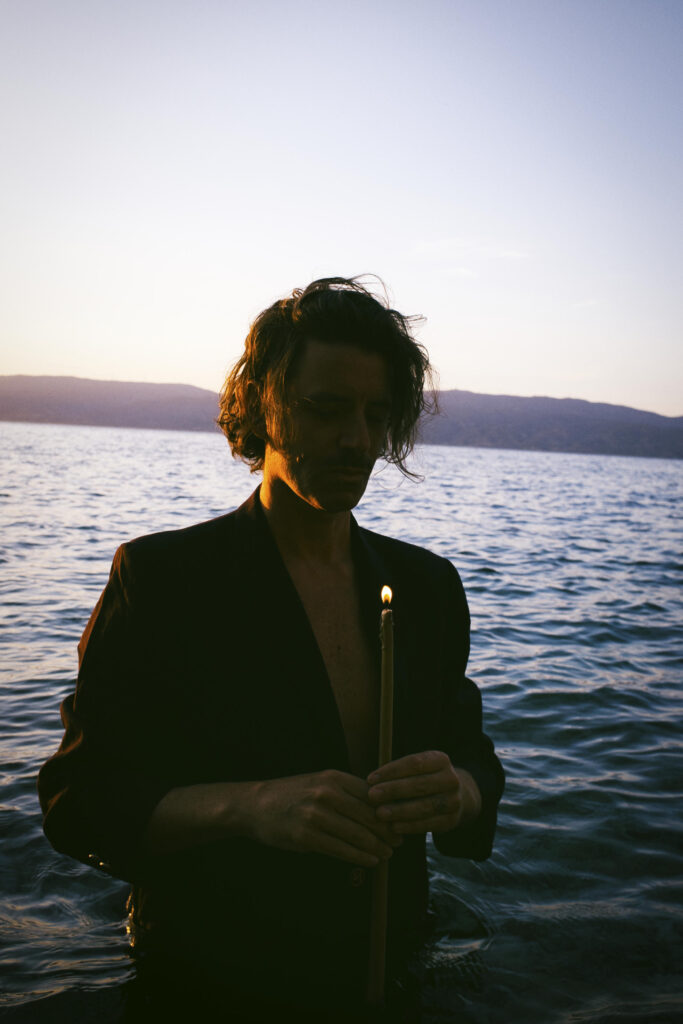
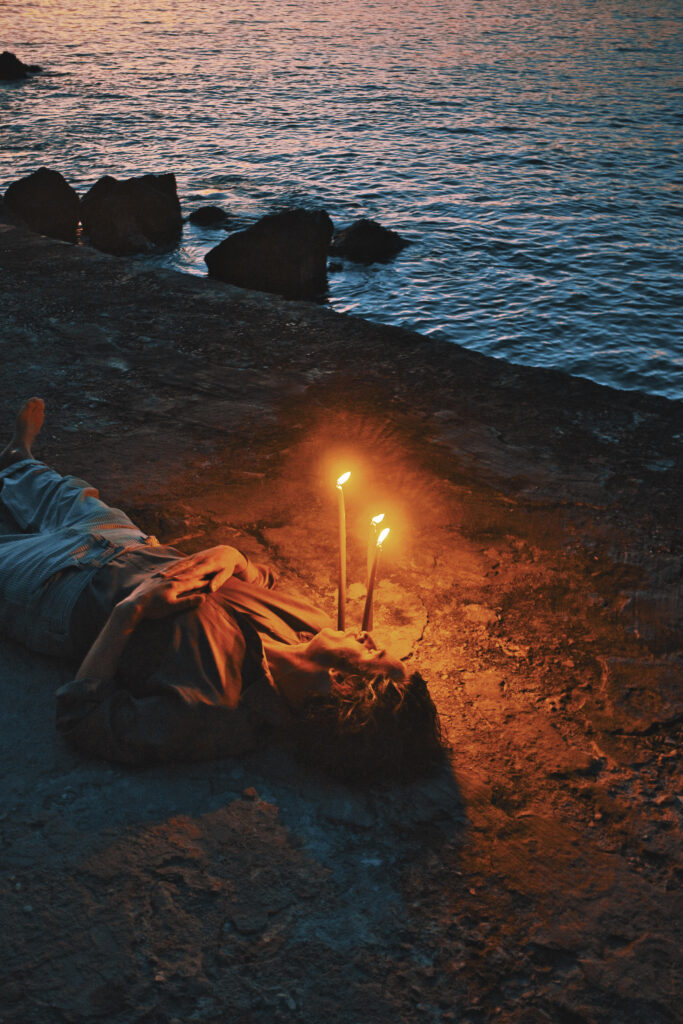
Among Epsilon’s many definitions, one particularly resonated with me: something almost imperceptible, yet capable of altering a balance and producing profound transformations. That definition seems especially meaningful. Is that what happened when you decided to open a new chapter in your life?
Absolutely. It’s funny because I’ve just come from the Renoir exhibition at the Musée d’Orsay. They explain how deeply Renoir believed in the power of beauty. He thought that portraying human beings in harmony with nature could create a kind of butterfly effect and bring more gentleness into the world. Of course, I’m not comparing myself to Renoir, but that idea speaks to me profoundly. I believe that the smallest shift can change everything: a word, a note, an image, a song. I’ve experienced this through the artists who inspire me, but also through the feedback I sometimes receive about my own music.
Your definition touches me because it perfectly reflects what drives me to create. If a song can move something within someone, even in the slightest way, then it has already accomplished something precious.
Fire and Water
You’ve just released Fire Water, two elements that seem opposed. What does this title symbolize, and why did you choose it to represent this new musical chapter?
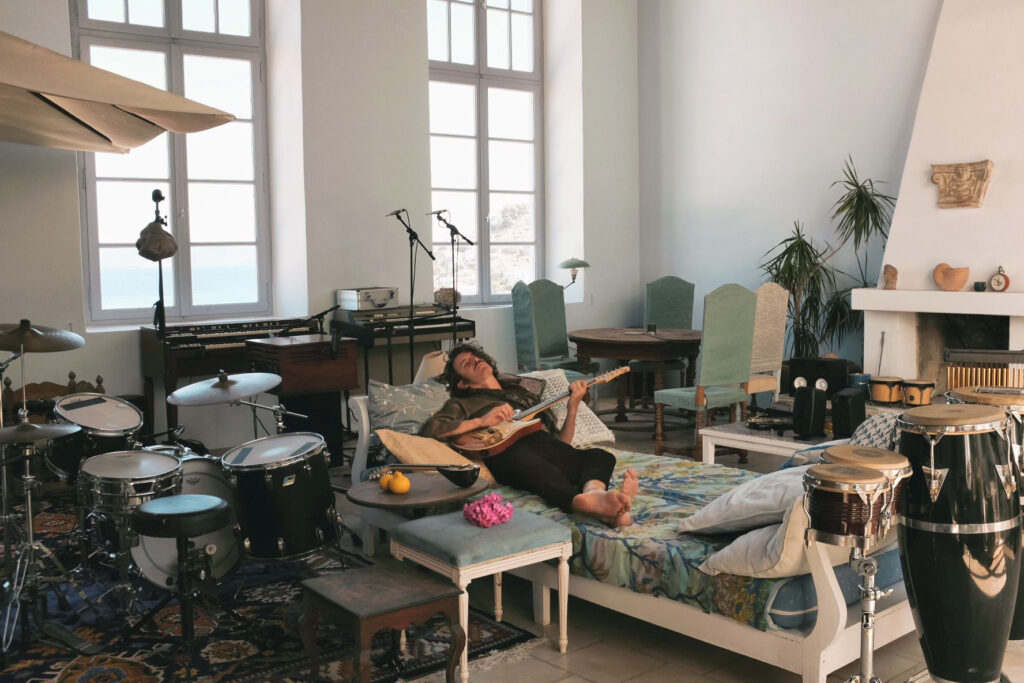
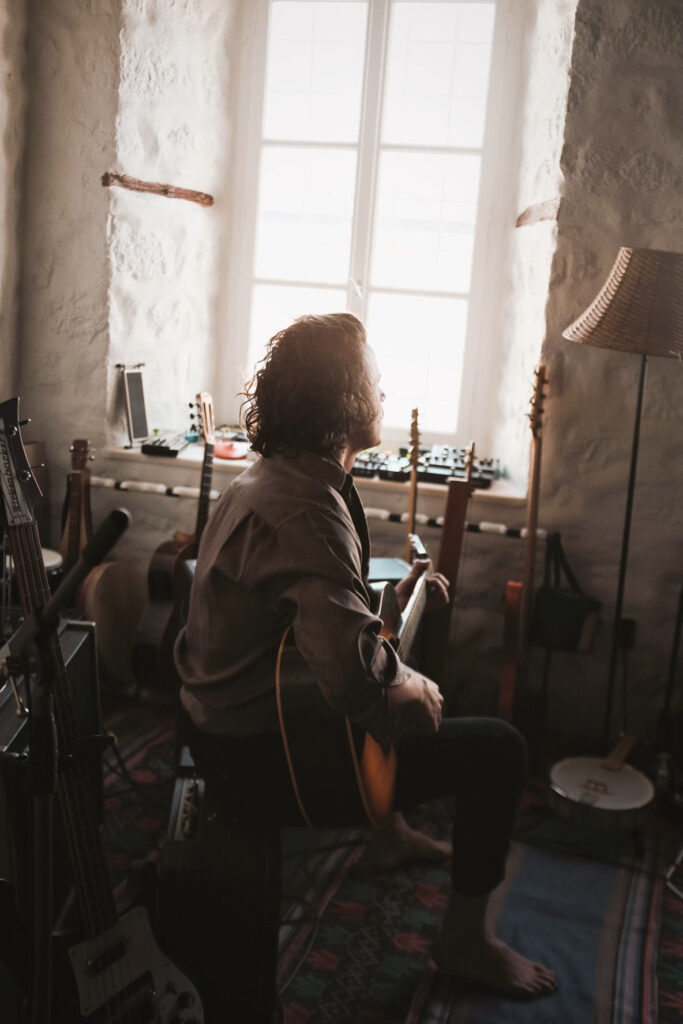
The story of Fire Water is intimately connected to Hydra. The expression was suggested to me by a friend. He owns an extraordinary house on the island that he transformed into a recording studio. During our first meeting, he offered me a local spirit and said: “Come, you have to try this, it’s fire water.” He described it as something that burns your throat yet somehow makes you feel good. I instantly loved the expression.
At the time, it simply sounded poetic to me. But over time, it acquired a much deeper meaning. A year before returning to Hydra to record the EP, I had gone through a more difficult personal period. When I found myself back in that studio, I realized that Fire Water represented much more than a local liquor. It symbolized the search for balance between two sides of myself. Fire is passion, momentum, intensity, the blazing part of us. Water is calm, softness, silence, and serenity. For a long time, I thought I had to choose between the two. Today, I believe they complement one another.
The song Rafalia deeply moved me. We all go through difficult periods, and perhaps that’s why it resonated so strongly. It carries such sensitivity, fragility, and delicacy.
That’s exactly the kind of response artists dream of receiving. Knowing that a song can touch someone so deeply makes me incredibly happy.
I was in Hydra at a time in my life when I needed to recenter myself. I discovered the island out of season, under a completely different light. There were very few people. The beaches were almost deserted. I arrived with my suitcase, but also carrying a great deal of inner weight. At the time, I was staying at the Orloff Hotel. Directly across from it was Rafalia, an extraordinary place that is both a historic pharmacy and a guesthouse surrounded by a magnificent garden. One day I met Andreas, the owner’s son. We became friends, and he opened the doors of his family home to me. I walked in and immediately saw a huge white piano. Then there was this incredible garden. I left the hotel and stayed there for more than a month.
What you may be sensing in the song is exactly that experience. I spent weeks healing through the sounds of the garden, birdsong, the scent of roses, and the light. I could spend hours listening to the elements, observing, swimming, simply feeling alive. I was reconnecting with my body. Reconnecting with what truly matters. The song arrived all at once, the melody first, then the words. I think there is a great deal of light and hope in that song. A touch of melancholy too, but a gentle melancholy that invites us to breathe. Looking back, I believe Rafalia is about peace, contemplation, and perhaps even a form of rebirth.
Contemplation may be exactly the right word. The song seems to invite listeners to step back and see things differently.
It’s wonderful that you feel that, because that is precisely what the song represents for me. Sometimes we all need little crutches. They can take the form of a book, a walk, a meeting, or a song. If Rafalia can be that for someone, then I’m deeply happy. Because ultimately its message is simple: breathe. Everything will be alright. What worries you today may weigh less heavily tomorrow. Return to what truly matters.
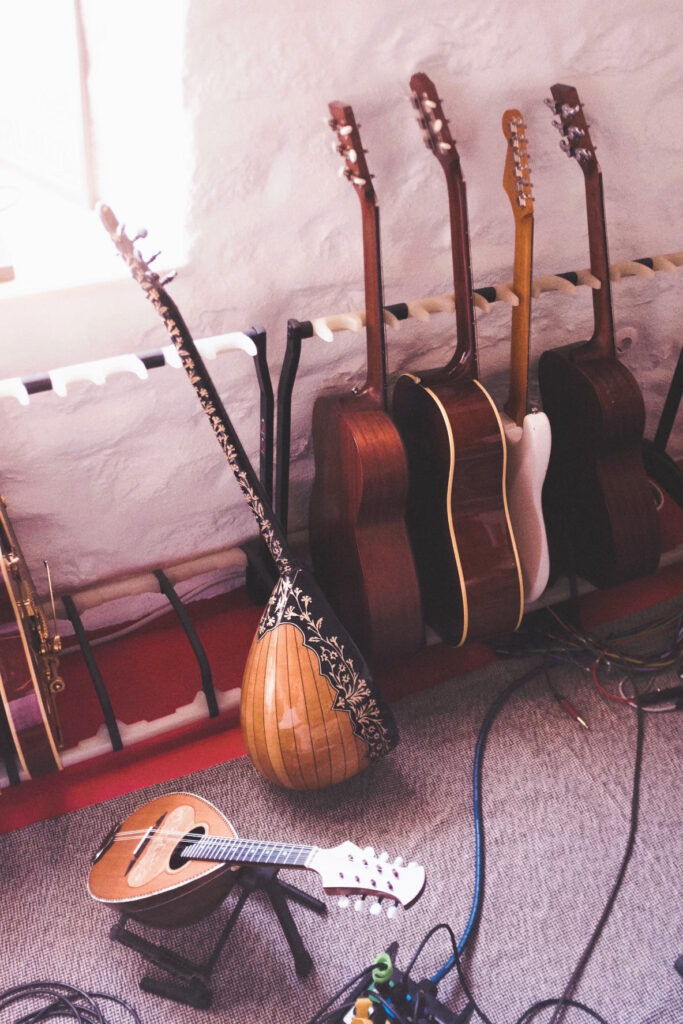
Making Peace with Heritage
You mentioned your roots and your return to places like Hydra. How do your roots inspire you today?
I grew up with a fairly complex family history. Our family comes from Smyrna, in Asia Minor. My grandfather was deeply attached to his Greek roots but was also profoundly marked by the wounds of history. My father, meanwhile, almost developed a rejection of that heritage because it had become too heavy to carry. I took the opposite path. I reconnected with my roots in order to understand. And, in a way, to heal. That journey eventually led me to Smyrna itself. I wrote a song there called Izmir. I remember attaching a photograph of my grandfather to a helium balloon and letting it rise above the city. It was an incredibly powerful moment.
And that was when I understood something essential: that battle was not mine. From that moment on, Greece became something different. It became my homeland, not out of duty, but out of desire. A beautiful, complex place where I feel deeply at home.
A land that exists between the different origins that make us who we are. And when you say that this history does not belong to you, that is true. Conflicts do not belong to us, we inherit them and live with their consequences.
Greece, with all its contradictions, wonders, and limitations, remains for me a land of bridges. And I could extend that idea to the entire Mediterranean. This sea has brought together peoples, cultures, languages, and traditions that have intersected for centuries. I am convinced that it still has an important role to play in today’s world.
What are your artistic influences: musical, literary, visual, architectural?
In literature, I greatly admire Sylvain Tesson. I love his relationship with words, the way he tells stories about the world, and a style that is both demanding and accessible. His work inspired by Homer has left a deep impression on me.
Musically, Hydra inevitably brings to mind Leonard Cohen. But also Georges Moustaki, Bob Dylan, and above all Radiohead, probably one of the bands that has accompanied me most throughout my life.
And then there is nature. Sitting beneath an olive tree, observing, listening to the wind, watching the sea… A large part of my inspiration is born there.
Your music invites listeners to slow down and contemplate. Do you think that comes consciously or unconsciously from your roots? I’ve always felt that the relationship to time is not quite the same in Greece as it is in France.
Yes, I think that plays a role. I have often wondered where this need to slow down comes from. A friend once told me, “Life is Zorba meeting Buddha.” I love that expression. There is celebration, dancing, wine, ouzo, and long shared meals. And then there is silence, contemplation, and inner life. For a long time, I probably lived more on Zorba’s side of the equation. Today, I am trying to invite a little more Buddha into it. Greece helps me do that.
Between Paris and Athens
Athens and Paris are two cities that inspire artists. Both possess extraordinary creative energy, although Greek creativity often feels more spontaneous and instinctive to me. Do these two capitals inspire you, as someone navigating between both cultures?
Yes, absolutely. I still know Paris much better than Athens. Today, I live in the 11th arrondissement, on a small tree-lined street that still retains a village-like atmosphere. I love that neighborhood life. I also enjoy hosting musical gatherings in my studio. What strikes me every time is how much people need to come together. Perhaps Paris and Athens play the same role in my life as fire and water do in Fire Water. They are different, yet they both contribute to my balance.
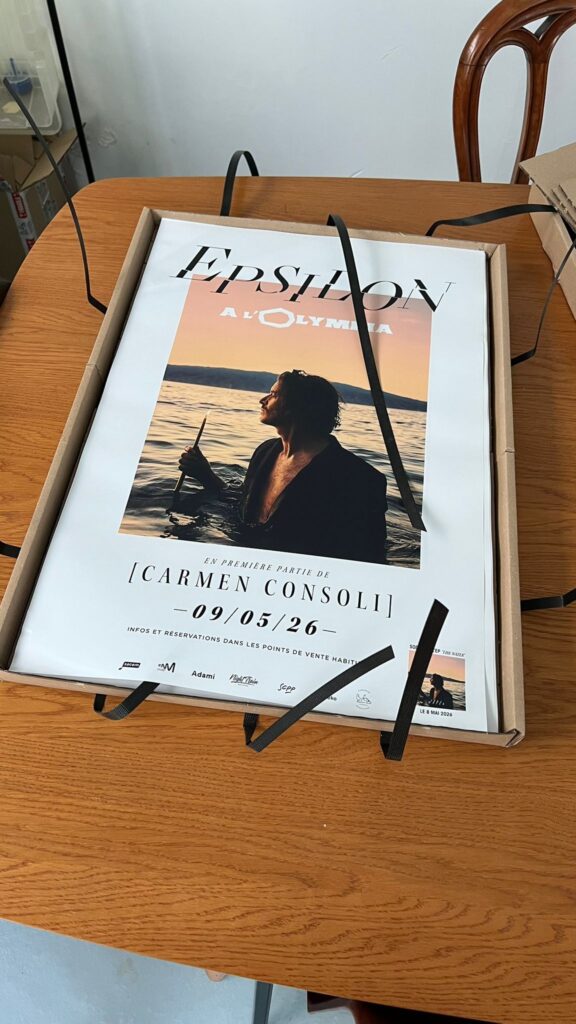
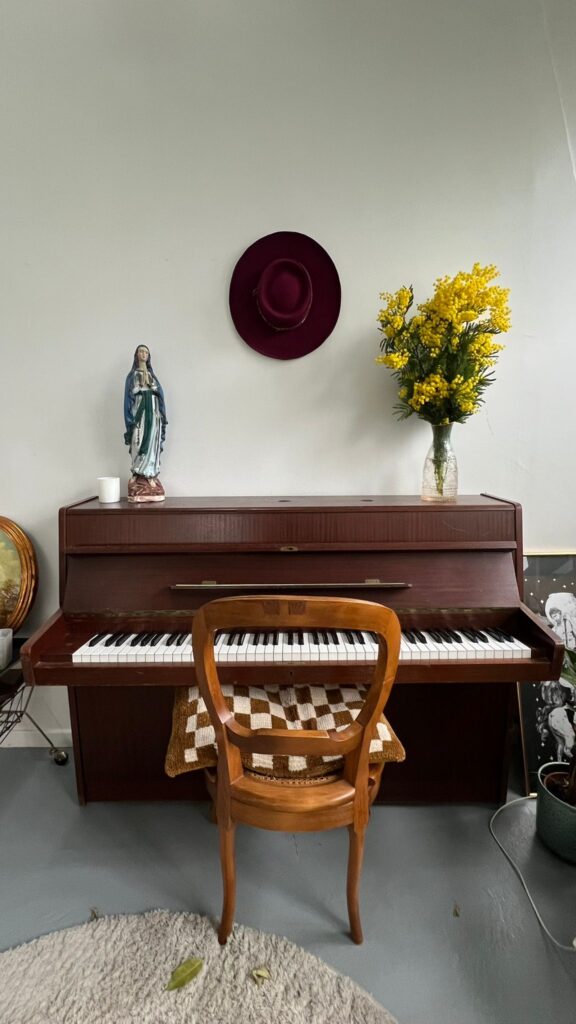
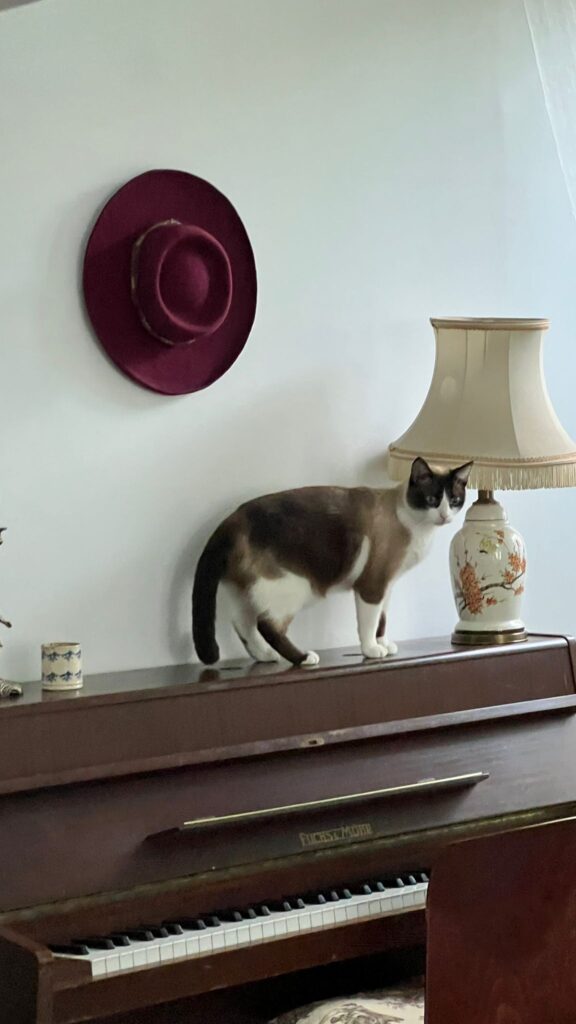
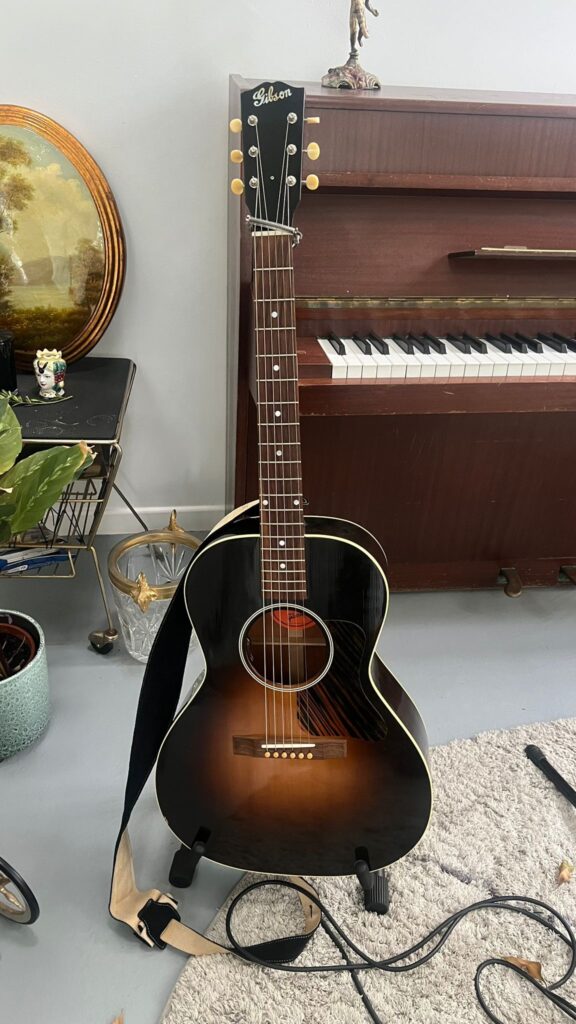
Speaking of Athens, are there any places you would like to recommend?
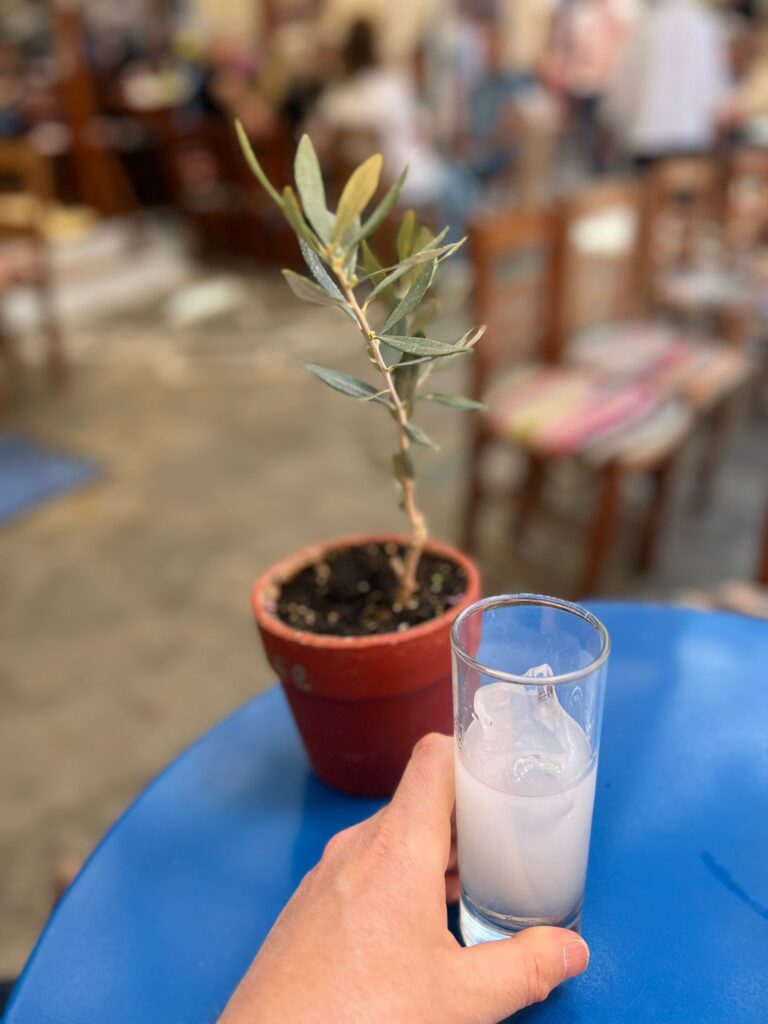
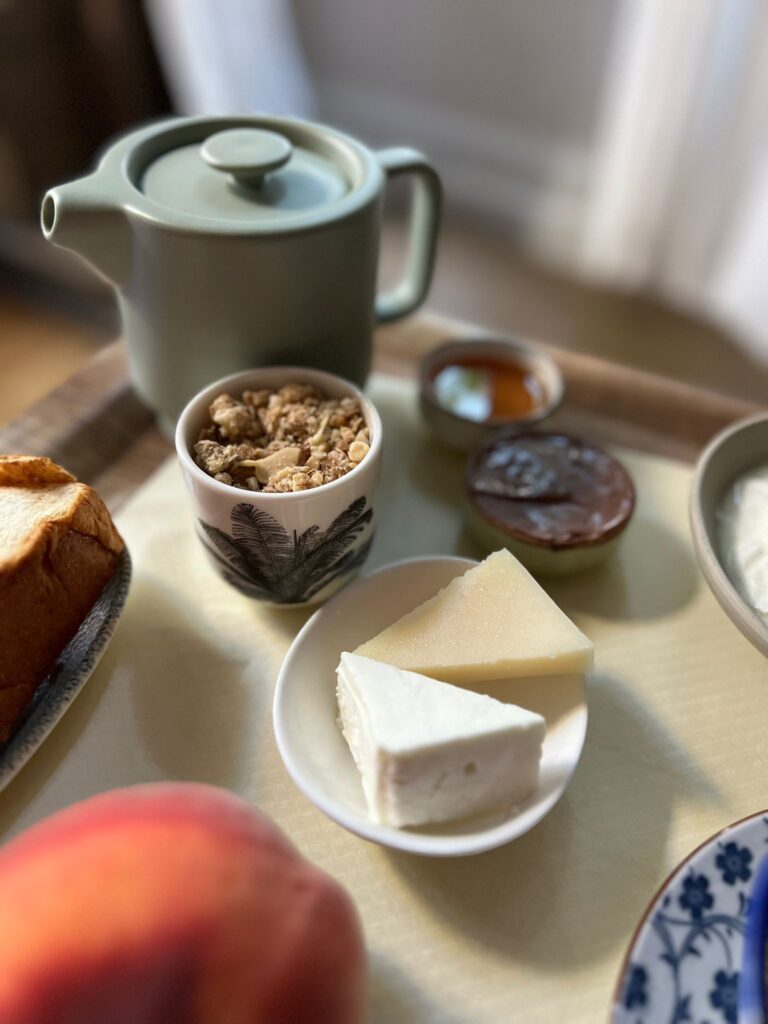
I’ll start with the Acropolis of Athens. Even after several visits, it remains an incredibly moving experience. And the Acropolis Museum is absolutely remarkable. Whenever I arrive in Athens, I also enjoy walking from Kolonaki to Syntagma Square and then on to Monastiraki. I am not someone who relies solely on addresses. I can be just as happy in an unknown little taverna as I am in a celebrated venue. Often, I simply order a glass of ouzo, a piece of feta, a little olive oil, and enjoy the moment.
A lighter question: do you often find yourself wearing a suit in the water?
More and more often! I think it’s a form of liberation. When I recently returned to Hydra to film the video for Rafalia, I felt an irresistible urge to jump into the sea wearing my suit. There was something joyful about it. A touch of madness. So yes, I have a feeling it will happen again. Quite often.
Interview conducted by JA Amiard for Paris/Athènes Magazine. Special thanks to Scopitone Média for making this encounter possible. Photos credits : Amélie Chopinet.


Athènes à Paris, Rencontres
1 avril 2025



Évasion
Écrit par Julie-Anne Amiard
23 mars 2023


